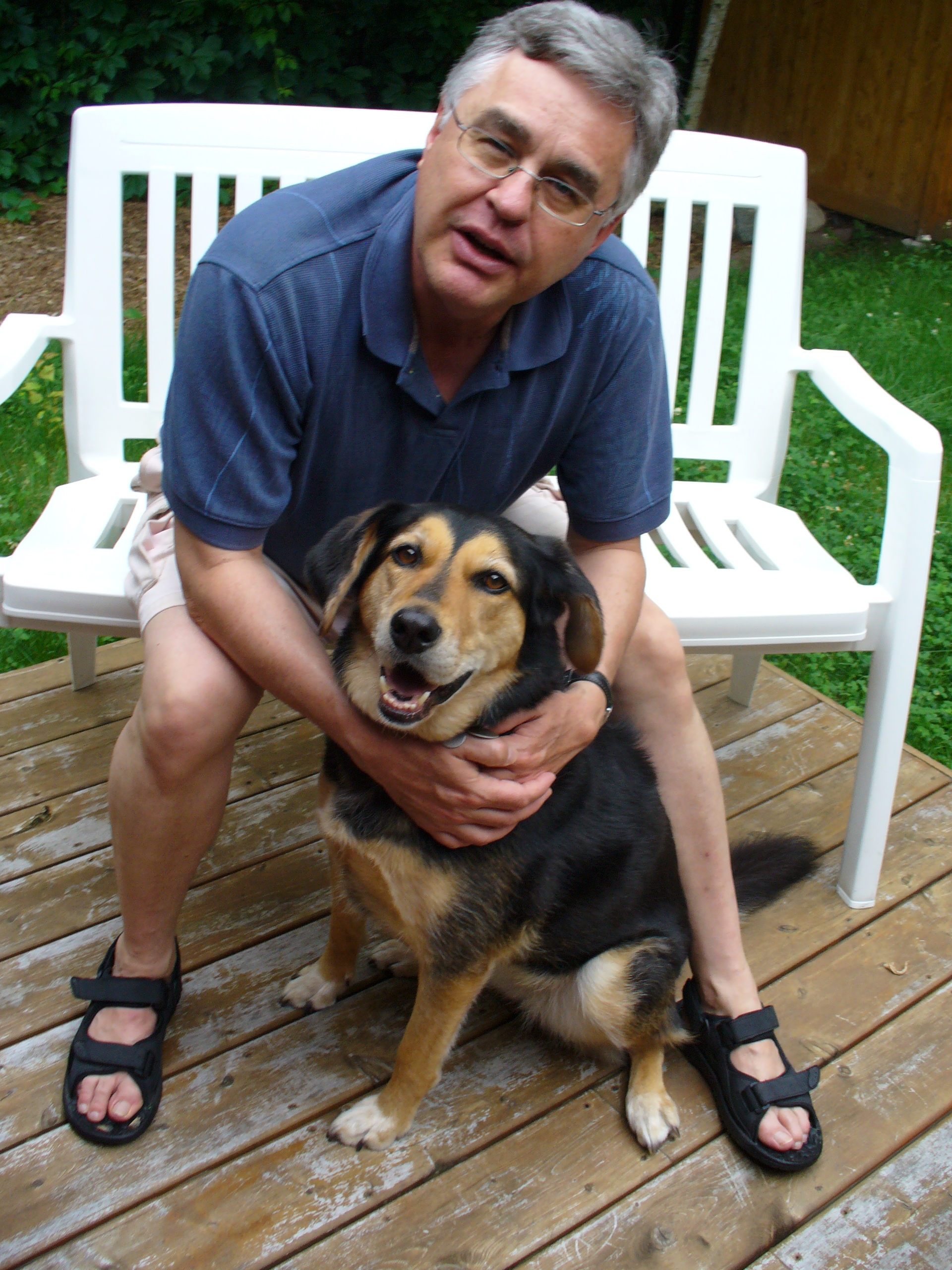
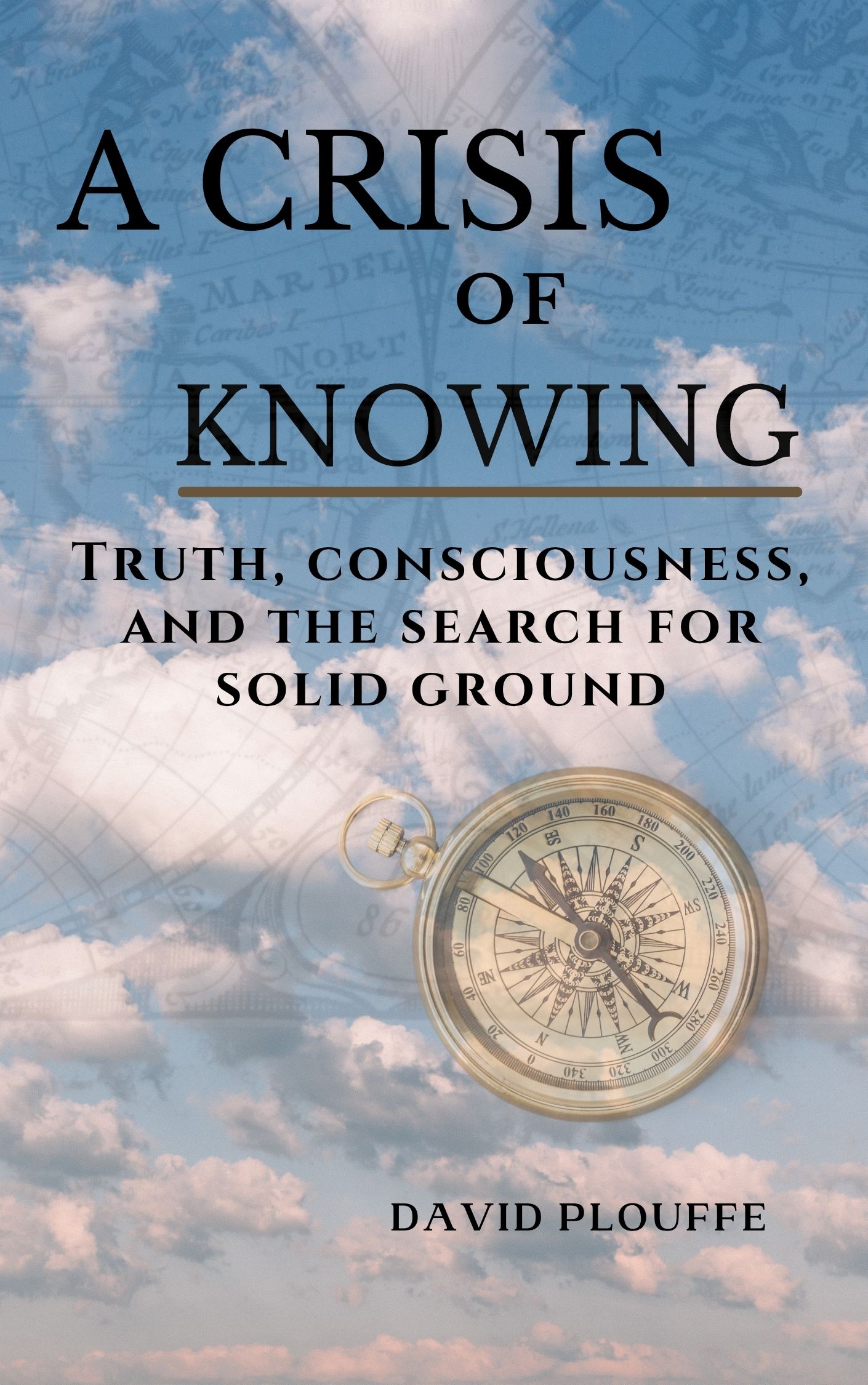
Book Coming Soon
A Crisis of Knowing
truth, consciousness, and the search for solid ground

The world is a mess—but the deeper danger is that we no longer know what to trust.
We are living through a crisis of truth, trust, and authority. Public lies, divisive politics, information overload, and AI distortion have made it harder to tell what is real, what is manipulation, and who deserves our confidence. But the crisis does not stop with politics or media. It reaches deeper, into the assumptions we carry about reality, consciousness, and what it means to be human.
We live through inherited maps—stories, identities, beliefs, and systems of authority—and when those maps harden into certainty, they distort not only public life, but our understanding of ourselves and the larger reality we inhabit.
A Crisis of Knowing explores what happens when those maps begin to fail, not only in politics and culture, but at the edges of experience itself: in intuition, synchronicity, predictive dreams, and other moments that resist ordinary explanation. It asks whether our prevailing picture of reality is too narrow, and what kind of grounded, humane orientation can help us resist false certainty and recover a more truthful and fully human way of living.
Sent by email. I’ll only send occasional updates about the book. Unsubscribe anytime.
A dream tested my assumptions—and then reality tested my doubt.
Life is a series of moments, some more monumental than others: I had a disturbing dream that made me question my assumptions. I dreamt that I backed my car over my little next-door neighbour, killing her instantly. Tragically, she died not long afterward under strikingly similar circumstances. Such experiences force a harder question: what do we do when reality does not fit our inherited explanations?
Some moments don’t persuade you. They corner you.
In my early twenties, a fire showed me that materialism couldn’t explain everything about reality. I wasn’t chasing mystery, but I stumbled into it. Something happened that left me with an experience my old explanations could not explain. That is where this book begins: not in blind belief, but in the need for a more honest way of making sense of reality.

Selected Quotes

This book is a bridge between scepticism and meaning. I will not ask you for blind faith, and I will not pretend to have the final answer. But I do believe there is a steadier way to face reality than radical doubt, one that stays honest about uncertainty, takes lived experience seriously, and avoids both cynicism and wishful thinking.
When did truth become so easy to discard? When did compassion become a liability? When did basic human decency become optional? Compassion is not weakness. It is a way of meeting suffering without surrendering to fear, contempt, or indifference.
Sent by email. I’ll only send occasional updates about the book. Unsubscribe anytime.

